Kalamitsa Beach Kavala

Kalamitsa Beach Kavala – Stay Near One of the Most Popular Beaches in Kavala

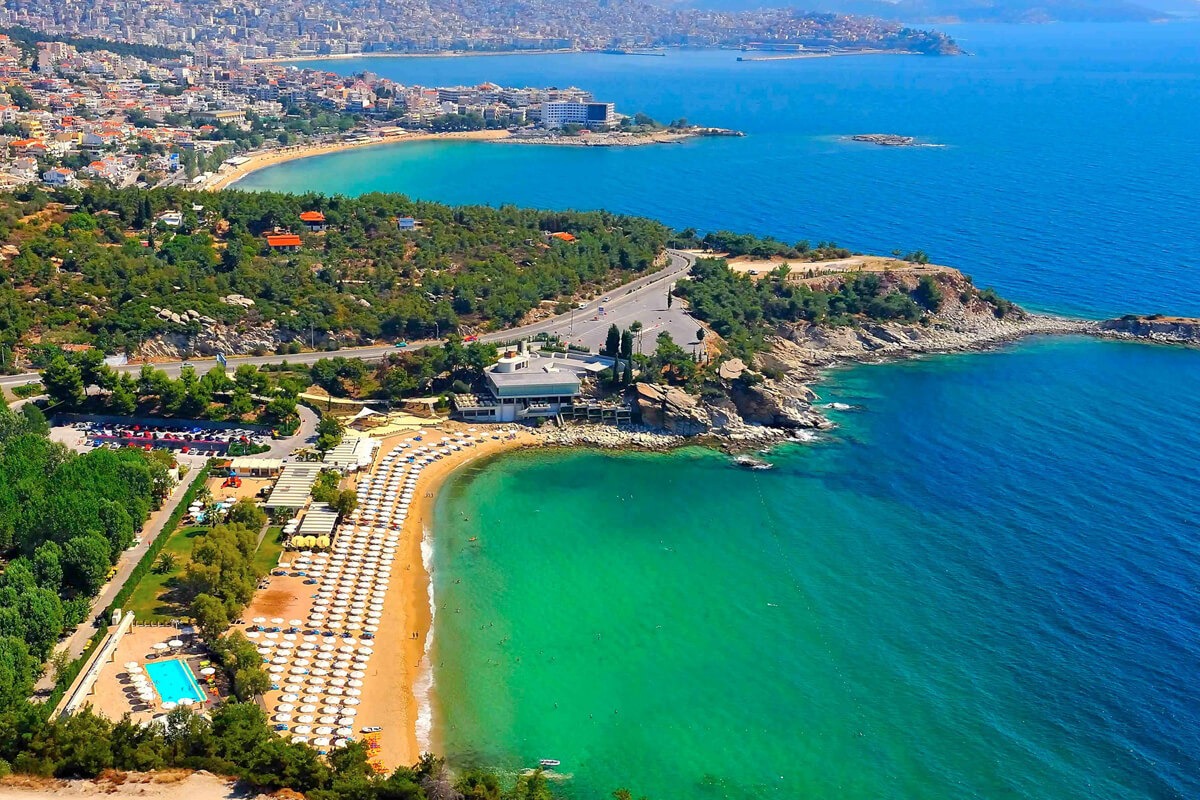
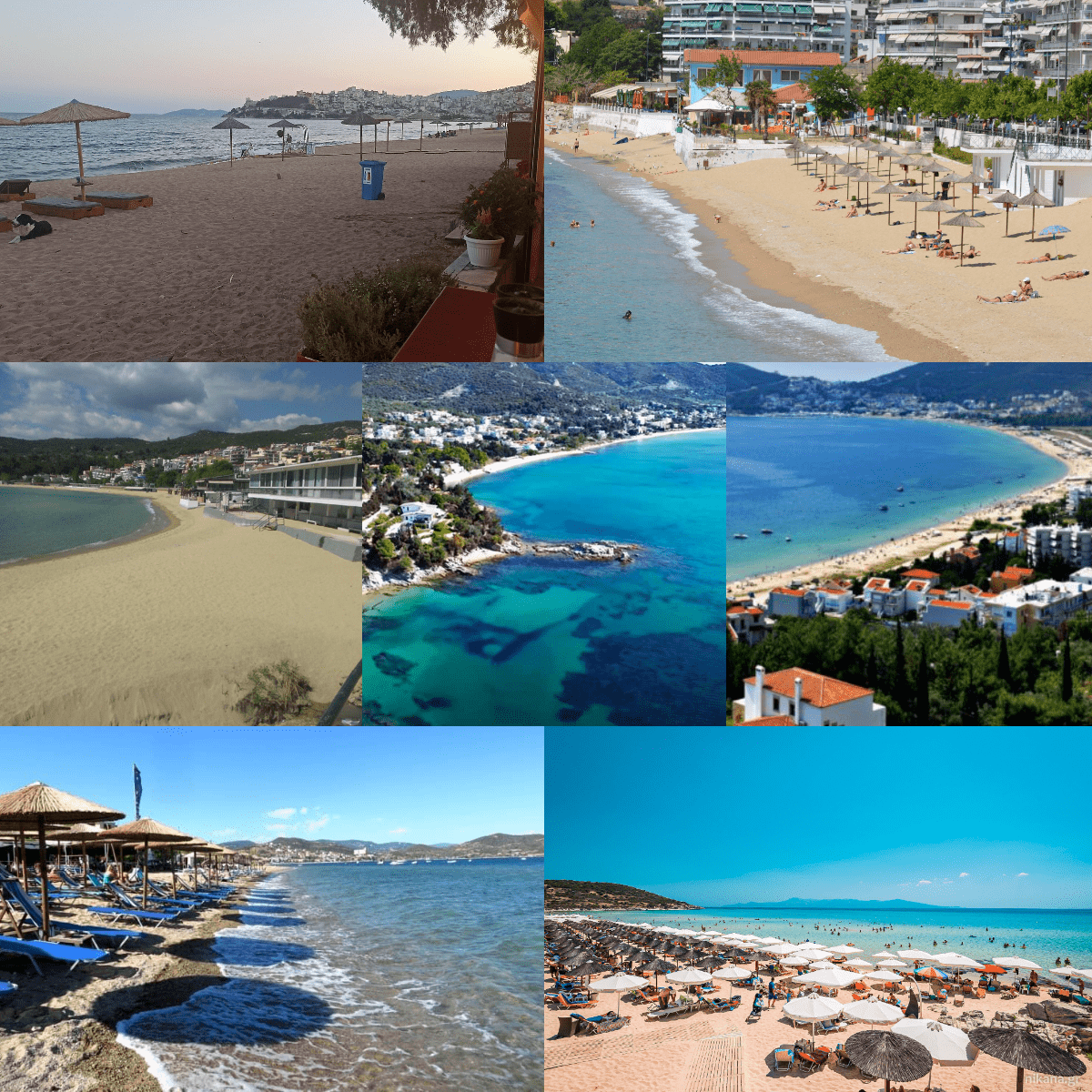
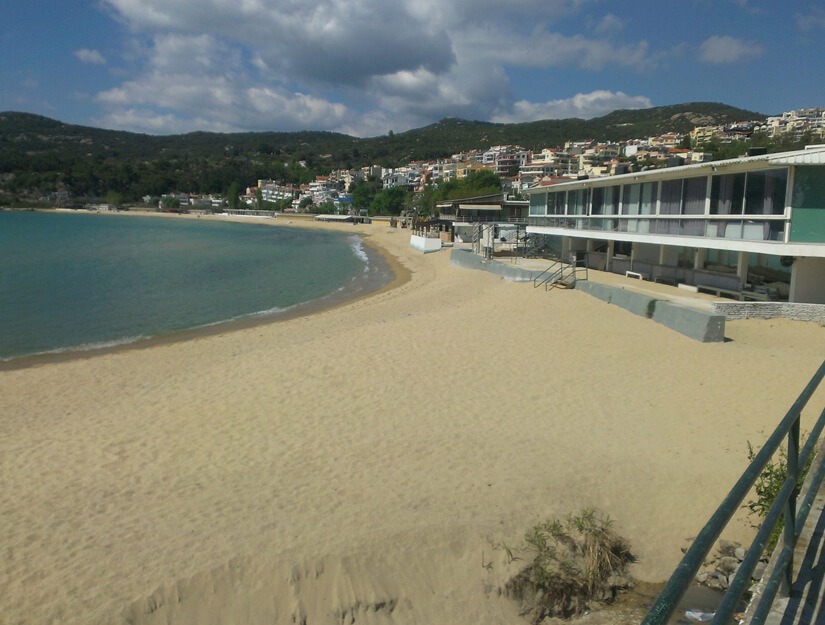
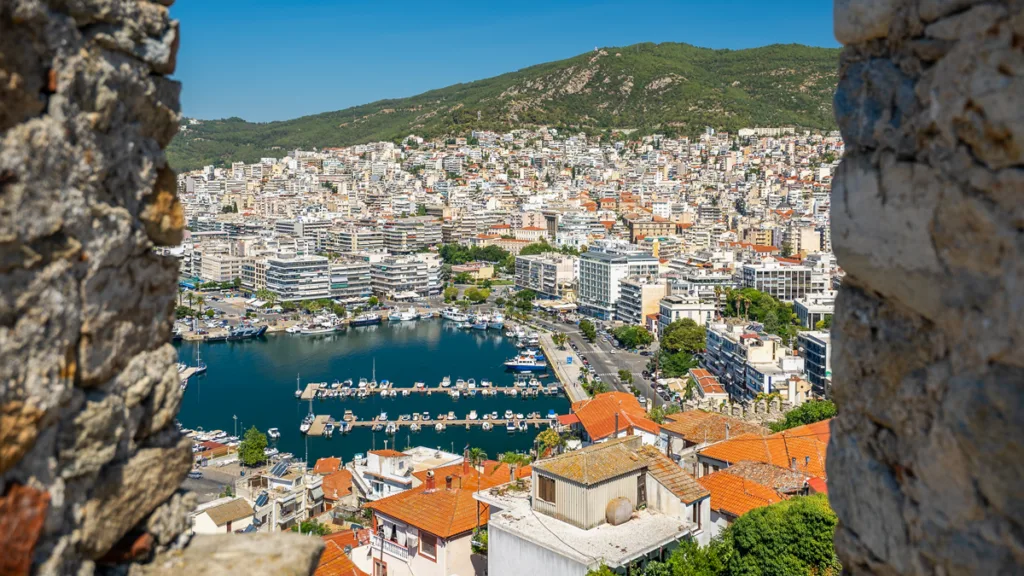
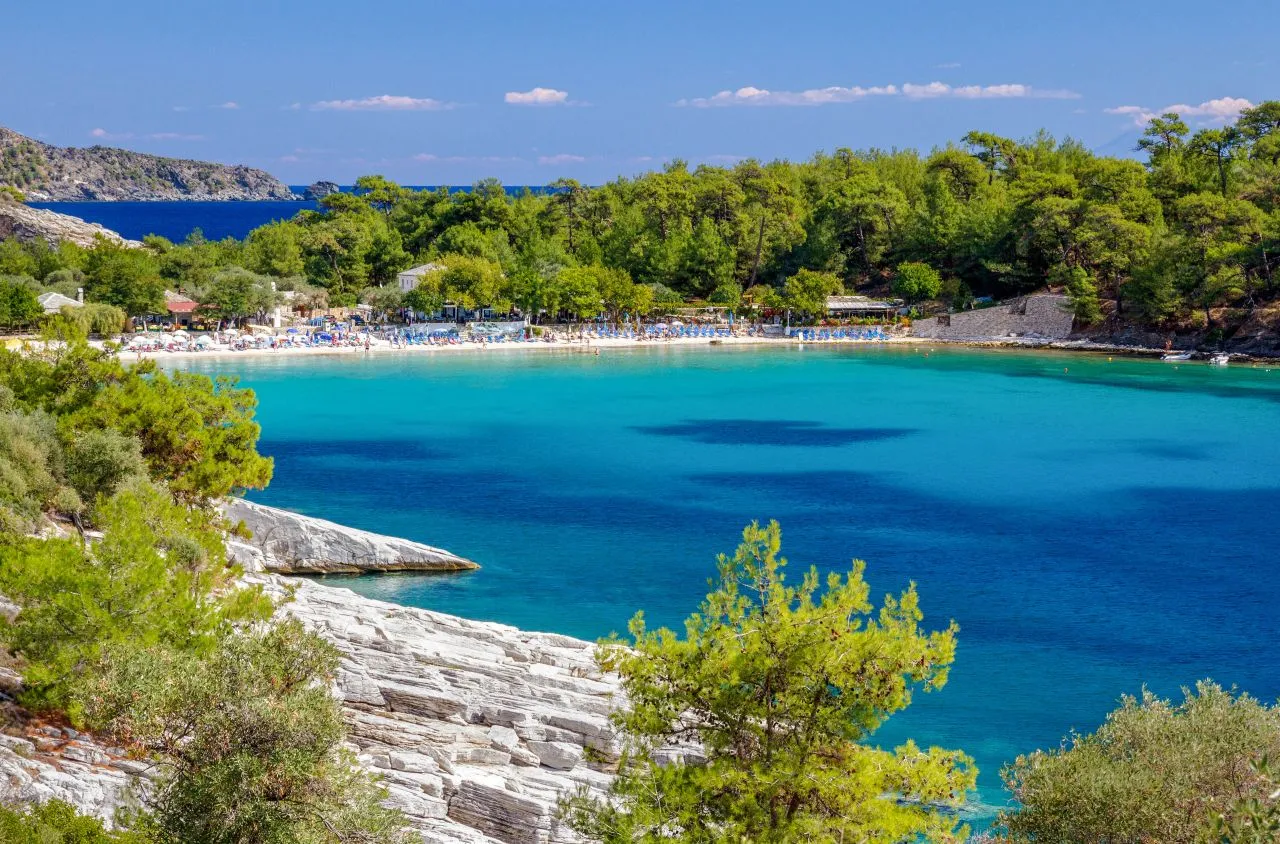
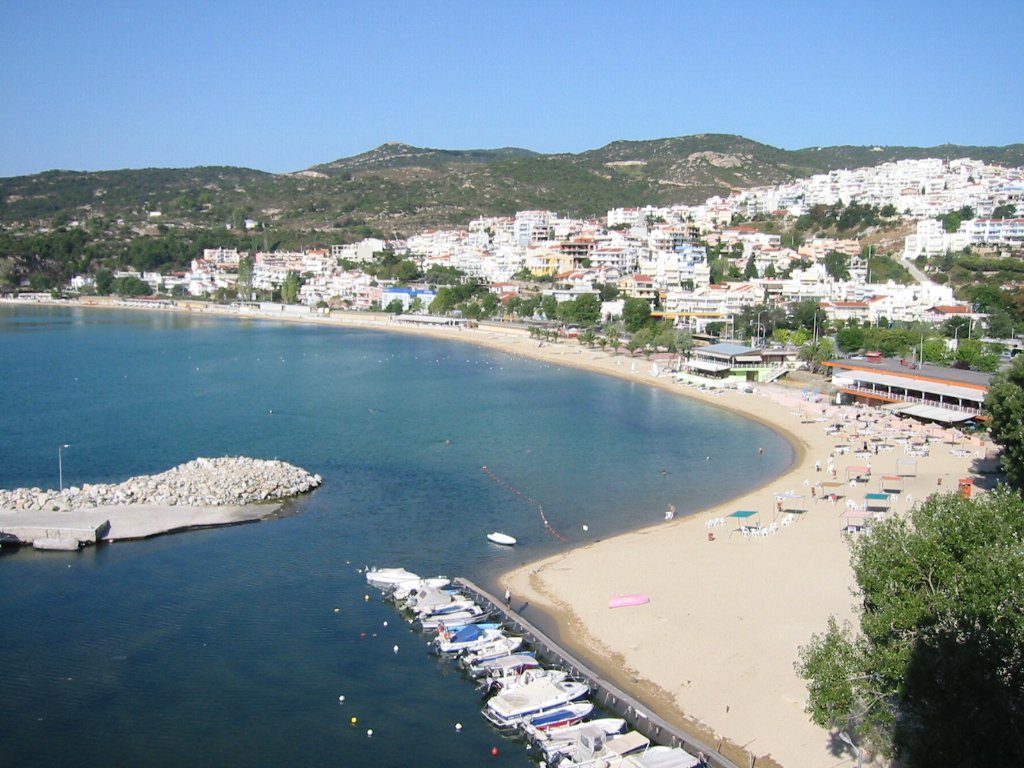
Kalamitsa beach is located in the city, it’s narrow and 700m long. It was awarded the Blue Flag for very clean water in the previous years. The beach is equipped with dressing rooms, showers, sunbeds with umbrellas and bars. It’s sandy and suitable for families with young children.

Kalamitsa Beach in Kavala is one of the most popular seaside destinations in northern Greece. Located just a few minutes from the city center, this beautiful sandy beach offers crystal-clear waters, organized facilities, and a relaxed atmosphere ideal for both locals and visitors. Choosing accommodation near Kalamitsa Beach allows you to enjoy the best of Kavala while staying close to the sea.

The beach is known for its soft sand, shallow waters, and easy access, making it perfect for families, couples, and travelers looking for a peaceful seaside escape. Visitors can enjoy sunbeds, beach bars, cafes, and restaurants along the coastline, creating the perfect setting for a full day by the sea. Whether you want to relax under the sun, swim in the Aegean Sea, or enjoy a seaside lunch, Kalamitsa Beach offers everything you need for a memorable beach experience.

Staying in apartments near Kalamitsa Beach in Kavala is an excellent choice for travelers who want comfort, convenience, and easy access to the coastline. Cozy and well-equipped accommodations provide the perfect base for exploring the area while enjoying the peaceful atmosphere of a beachside neighborhood. From here, you can easily reach the center of Kavala, the harbor, local restaurants, and many of the city’s cultural attractions.

Kavala is famous for its beautiful coastline, historical landmarks, and vibrant summer atmosphere. By choosing accommodation near Kalamitsa Beach, visitors can combine relaxing beach days with exploring the city’s old town, seaside promenades, and traditional tavernas. The location also makes it easy to visit other nearby beaches and scenic spots along the coast.

Whether you are planning a romantic getaway, a family vacation, or a relaxing summer holiday in Greece, staying near Kalamitsa Beach Kavala offers the perfect balance between seaside relaxation and city life. Comfortable apartments close to the beach allow you to wake up just minutes from the sea and enjoy everything this beautiful coastal destination has to offer.

Discover the charm of Kavala and enjoy unforgettable moments by the sea with accommodation near Kalamitsa Beach.

Stay in a cozy apartment in Kavala

Cozy Houses One Apartment with Hydromassage tub and Terrace near city center (Karatasou 6, Kavala)

Prices start at: 71  per night (+taxes and fees)

Welcome to our cozy apartment, perfect for families or friends or digital nomads! This charming space features two comfortable bedrooms, one with a double bed and the other with a king-size bed, ensuring a restful night’s sleep for everyone.

Details

Batis Beach Kavala

Batis Beach

Batis beach is just 4km west of the city of Kavala and because of that, it has a very good location. Visitors are satisfied by the functionality of the facilities, the beauty of the natural environment and the modern stylish design.

Batis Multiplex complex, that lays on this beach, include:

  • camping Terra that unfolds in a green all around area measuring 33.000m2
  • playground that allocates children’s swimming-pool
  • sports activities in the sand
  • beach bar
  • pool and pool bar
  • café-bar
  • Greek tavern
  • the polymorphic hall of social events & conferences OdysSea
  • organized beach

This is an ideal place that offers unlimited residence to kids and adults, relaxation and entertainment throughout the day from early morning until late evening.

Entrance to the beach costs 1.3€ and once you enter the complex you can use all the facilities mentioned above. If you want to sit on the deckchairs under the umbrella on the beach, they belong to the bar and you have to order a drink to be able to use them.

This is one of the few beaches where pets are not allowed.

Stay in a cozy apartment in Kavala

Cozy Houses One Apartment with Hydromassage tub and Terrace near city center (Karatasou 6, Kavala)

Prices start at: 71  per night (+taxes and fees)

Welcome to our cozy apartment, perfect for families or friends or digital nomads! This charming space features two comfortable bedrooms, one with a double bed and the other with a king-size bed, ensuring a restful night’s sleep for everyone.

Details

Greek Food Culture – Traditional Dishes and Culinary Traditions

Greek Food Culture: An Overview

  • History: One of the oldest and most diverse culinary traditions worldwide.
  • Philosophy: Eating as a pleasure and means of spiritual connection.
  • Influences: Byzantine, Ottoman, and Italian influences shape modern cuisine.
  • Ingredients: Olive oil, vegetables, fish, meat, cheese, and yogurt.
  • Greek Food Culture: Social meals with family and friends are central.

Greek culinary culture takes you on a captivating voyage across centuries. From the modest, everyday fare enjoyed by the ancient Greeks to the richly layered dishes shaped by centuries of outside influences in modern times, Greek cuisine truly offers something delightful for every palate.

Greece boasts one of the oldest and richest culinary traditions in the world. The ancient Greeks ate not just to sustain themselves but to enjoy life and engage in intellectual exchange.

Typical Meals in Antiquity

In ancient times, typical meals included Akratisma, where bread was dipped in wine; Ariston, a simple midday meal; Esperisma, a light afternoon snack; and Deipnon, the main meal of the evening.

Main Components of Ancient Greek Diet

The diet was heavily based on grains and vegetables. Grains, especially wheat and barley, formed the cornerstone of their diet. Bread was a staple greek food culture, available in various forms: ‘maza,’ a barley bread, and the more expensive wheat bread. In addition to bread, legumes such as fava beans and lentils were commonly consumed. Vegetables and fruits, including figs, grapes, and pomegranates, also played a significant role.

Fish and Meat

Fish was a dietary staple, eaten fresh or salted. Meat, however, was expensive and rarely consumed, typically limited to poultry, pork, or wild game. Garlic and cheese were also prominent in their diet.

Archestratus, a poet and philosopher of the 4th century BC, is considered the father of gastronomy. His five golden rules of culinary art, still relevant today, were: choosing pure ingredients, combining them harmoniously, avoiding sharp and heavy sauces, using light sauces, and using spices and herbs in moderation.

During the Middle Ages, Greece was part of the Byzantine Empire, blending Greek and Roman elements with exotic flavors from Asia and Africa.

New Ingredients and Dishes

This era saw the introduction of eggplants and spinach from India and Persia, stuffed grape leaves (dolmades), which remain popular today, and sweets with sugar replacing honey in many recipes.

During the Middle Ages, Greece was part of the Byzantine Empire, which lasted from approximately the 4th to the 15th century. This period was characterized by a fusion of Greek and Roman culinary traditions, enriched with exotic flavors from Asia and Africa due to the empire’s extensive trade networks.

The Byzantine kitchen was not a homogeneous entity but a melting pot of diverse regional cuisines. This diversity was influenced by the many different ethnic groups within the empire, including Greeks, Romans, Persians, Arabs, and later Turks. The capital, Constantinople, served as a significant hub of culinary innovation and exchange.

New Ingredients and Dishes

  • Eggplants and Spinach: These vegetables were introduced from India and Persia, respectively, and became staples in Byzantine cooking. Dishes like moussaka and spanakopita (spinach pie) have their roots in this period.
  • Stuffed Grape Leaves (Dolmades): This method of preparation, which involves wrapping rice, meat, or a mixture in grape leaves, became popular during the Byzantine era and remains a beloved dish in modern Greek cuisine.
  • Sugar: Although honey was traditionally used as a sweetener, sugar began to replace it in many recipes during the Byzantine period, especially in the preparation of sweets and desserts.
  • Fish Roe (Taramosalata): The Byzantines were fond of fish roe, which was salted and cured to make taramas, a precursor to the modern taramosalata, a fish roe dip that is a staple of Greek meze.

Culinary Techniques

  • Spices and Seasonings: The Byzantine palate was sophisticated, favoring a blend of local herbs like oregano and thyme with exotic spices such as cinnamon, cloves, and nutmeg, which were imported from the East.
  • Preservation Methods: The Byzantines were skilled in food preservation techniques, such as drying, salting, and fermenting, which allowed them to store food for longer periods.

Influence of Religious Practices

  • Fasting: The Orthodox Christian faith played a significant role in shaping Byzantine eating habits. Fasting periods, which required abstention from meat and dairy products, led to the development of a variety of vegetarian dishes, many of which are still enjoyed today.
  • Feast Days: Conversely, feast days and religious celebrations were marked by lavish banquets featuring an abundance of meats, fish, and sweets.

Social and Cultural Aspects

  • Banquets and Symposia: Similar to the ancient Greeks, the Byzantines placed great importance on communal dining. Banquets, or symposia, were social and cultural events where food and drink were shared, and intellectual discussions took place.
 

Modern Greek food culture is a vibrant tapestry woven from centuries of history, foreign influences, and a deep-rooted connection to the land and sea. It combines ancient traditions with contemporary flavors, creating a cuisine that is both rich in history and dynamic in its evolution.

Typical Ingredients and Dishes

Today, Greek cuisine stands out for its Mediterranean elements. Olive oil is the cornerstone of Greek cooking, used generously in salads, cooking, and even baking. Vegetables like tomatoes, eggplants, zucchini, and peppers are staples, often prepared simply to highlight their natural flavors. Fish and seafood, given Greece’s extensive coastline, are also central to the diet, with dishes like grilled octopus and fresh sardines being popular.

Meat, particularly lamb and goat, is frequently used, though chicken and pork also feature prominently. Cheese and yogurt are integral, with feta being the most iconic Greek cheese. Herbs and spices such as oregano, mint, dill, and bay leaves add depth to the flavors.

Characteristic Dishes

  • Moussaka: A layered dish of eggplant, minced meat, and béchamel sauce.
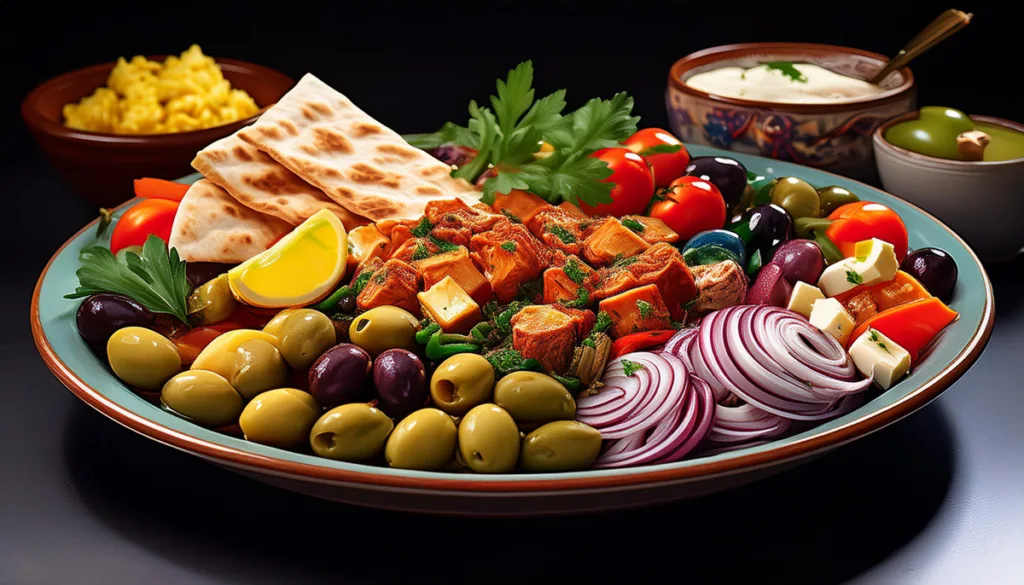
  • Souvlaki: Skewered and grilled meat, often served with pita and tzatziki.
  • Spanakopita: Spinach and feta pie wrapped in flaky phyllo pastry.
  • Horiatiki (Greek Salad): Tomatoes, cucumbers, olives, and feta, dressed with olive oil and oregano.


Characteristics of Modern Cuisine

Modern Greek cuisine is characterized by its seasonality and emphasis on fresh, local ingredients. In the summer, light dishes such as Greek salad, grilled vegetables, and cold soups like tarator are common. Winter brings heartier fare, including stews, casseroles, and braised meats. This seasonal approach not only ensures the freshest ingredients but also connects the cuisine to the rhythms of nature.

The Role of Shared Meals

A central aspect of Greek food culture is the communal nature of meals. Eating is a social event, where family and friends gather to share food, stories, and laughter. This tradition of shared meals fosters a sense of community and belonging. It’s not uncommon for meals to last several hours, especially during weekends or celebrations, reflecting the Greek value placed on hospitality and togetherness.

Influence of Religious Practices

Greek cuisine is also influenced by the Orthodox Christian calendar, which includes numerous fasting periods. During these times, meat, dairy, and eggs are avoided, leading to a wealth of vegetarian and vegan dishes that are enjoyed by everyone, not just those observing the fast. Popular fasting dishes include legume soups, vegetable stews, and seafood.

Modern Developments

In the 20th century, Greek cuisine saw significant changes with the introduction of new ingredients and techniques. The influence of Western cuisine brought innovations like the use of béchamel sauce in traditional dishes such as moussaka. The rise in wealth also led to an increase in meat consumption, with dishes like gyros and roast lamb becoming more prevalent.

Today, there is a renewed interest in traditional, healthy eating practices, with many Greeks returning to the dietary habits of their ancestors. This includes a focus on whole foods, plant-based dishes, and sustainable practices.

Contemporary Greek Food Culture

The contemporary Greek food culture is a blend of tradition and innovation. In urban areas, particularly in cities like Athens and Thessaloniki, there is a thriving culinary scene with modern restaurants that reinterpret traditional dishes using contemporary techniques and presentation styles. At the same time, tavernas (traditional Greek restaurants) continue to serve time-honored recipes, maintaining a link to the past.

Greek street food has also gained popularity, with dishes like souvlaki, gyros, and loukoumades (honey-soaked doughnuts) being enjoyed by locals and tourists alike.

 

Greek cuisine, from antiquity to the modern era, is rich in variety and flavor. It combines historical traditions with modern influences and remains an integral part of Greek food culture and identity.

source: https://goccus.com and articel from 2021 Chrysi Konstantinidou

Culinary Delights in Kavala: A Taste of Greek Heritage

Kavala, a picturesque city located in northern Greece, is not only known for its stunning landscapes and rich history but also for its vibrant culinary scene. The city serves as a gateway to the Aegean Sea and is steeped in a blend of Greek, Ottoman, and Balkan influences that shape its gastronomy. This article delves into the culinary delights of Kavala, offering a taste of Greek heritage through its traditional dishes, local ingredients, and the culture surrounding food.

The culinary landscape of Kavala is a reflection of its historical significance as a port city, where various cultures have converged over centuries. From fresh seafood to delectable pastries, the flavors of Kavala invite both locals and visitors to explore the depth of Greek cuisine.

Traditional Dishes of Kavala

When it comes to traditional Greek cuisine, Kavala boasts a plethora of dishes that capture the essence of the region. Many of these dishes are made with fresh, locally sourced ingredients, ensuring that each bite is a celebration of flavor. Below are some of the must-try dishes when visiting Kavala:

  • Bakaliaros Skordalia: This popular dish consists of battered and fried cod served with a garlic and potato dip known as skordalia. It is particularly enjoyed during the Greek Orthodox holiday of Annunciation.
  • Fried Sardines: Fresh sardines are caught daily along the coast and are often grilled or fried, served with a drizzle of olive oil and a squeeze of lemon, embodying the flavors of the Aegean.
  • Gemista: A traditional dish of stuffed vegetables, usually tomatoes and peppers, filled with a mixture of rice, herbs, and minced meat. This dish showcases the freshness of the local produce.
  • Giouvetsi: A comforting baked dish made with orzo pasta and meat, often topped with cheese. It reflects the Mediterranean love for hearty one-pot meals.
  • Kavourmas: A unique Kavalan dish made with pork, simmered in a rich sauce with spices and herbs, showcasing the region’s culinary heritage.

Seafood: A Coastal Treasure

The proximity of Kavala to the Aegean Sea ensures that seafood plays a significant role in the local diet. Fresh fish and shellfish are staples in the culinary repertoire, prepared using traditional methods that highlight their natural flavors. The fishing culture of Kavala is deeply rooted in the community, and many restaurants pride themselves on serving the catch of the day.

Some of the local seafood specialties include:

Seafood DishDescription
OctopusGrilled or marinated, often served with vinegar or lemon.
CalamariLightly battered and fried, served with a side of tzatziki.
Sea BreamGrilled whole, garnished with herbs and lemon.
Mussels SaganakiMussels baked with tomatoes, feta cheese, and herbs.

Dining on seafood in Kavala often comes with a beautiful view of the sea, making the experience even more memorable. Many tavernas along the waterfront offer outdoor seating, where patrons can enjoy their meal while watching the sunset over the Aegean.

Sweets and Pastries: A Culinary Indulgence

No exploration of Kavala’s culinary delights would be complete without mentioning its exquisite desserts. The city is famous for its traditional sweets that reflect the rich history of Greek pastry-making. Many of these desserts are made with local ingredients, including nuts, honey, and fresh fruits.

Some of the iconic sweets to try in Kavala include:

  • Kavala Cookies: These almond cookies are a local specialty, known for their crumbly texture and sweet flavor, often dusted with powdered sugar.
  • Baklava: A classic dessert made with layers of filo pastry, nuts, and syrup, baklava is a symbol of Greek heritage that is widely enjoyed in Kavala.
  • Halva: A sweet confection made from sesame paste and sugar, often flavored with nuts and spices, providing a delightful end to a meal.
  • Loukoum: These Turkish delight sweets come in various flavors and are often served with coffee, making them a popular treat among locals.

In addition to these treats, Kavala is also known for its rich coffee culture. The local cafes serve traditional Greek coffee, which is brewed to perfection and enjoyed slowly, often accompanied by a sweet treat or two. The social aspect of coffee drinking in Greece adds to the enjoyment of the culinary experience.

Exploring the culinary delights of Kavala offers a unique opportunity to engage with Greek heritage through its food. Each dish tells a story, reflecting the region’s history, culture, and the importance of community. Whether enjoying a seafood feast by the sea or indulging in a sweet pastry at a local café, the flavors of Kavala are sure to leave a lasting impression on all who visit.

Bakaliaros Skordalia: This popular dish consists of battered and fried cod served with a garlic and potato dip known as skordalia. It is particularly enjoyed during the Greek Orthodox holiday of Annunciation.
Fried Sardines: Fresh sardines are caught daily along the coast and are often grilled or fried, served with a drizzle of olive oil and a squeeze of lemon, embodying the flavors of the Aegean.
Gemista: A traditional dish of stuffed vegetables, usually tomatoes and peppers, filled with a mixture of rice, herbs, and minced meat. This dish showcases the freshness of the local produce.
Giouvetsi: A comforting baked dish made with orzo pasta and meat, often topped with cheese. It reflects the Mediterranean love for hearty one-pot meals.
Kavourmas: A unique Kavalan dish made with pork, simmered in a rich sauce with spices and herbs, showcasing the region’s culinary heritage.
Seafood: A Coastal Treasure

The proximity of Kavala to the Aegean Sea ensures that seafood plays a significant role in the local diet. Fresh fish and shellfish are staples in the culinary repertoire, prepared using traditional methods that highlight their natural flavors. The fishing culture of Kavala is deeply rooted in the community, and many restaurants pride themselves on serving the catch of the day.

Some of the local seafood specialties include:

Seafood Dish Description
Octopus Grilled or marinated, often served with vinegar or lemon.
Calamari Lightly battered and fried, served with a side of tzatziki.
Sea Bream Grilled whole, garnished with herbs and lemon.
Mussels Saganaki Mussels baked with tomatoes, feta cheese, and herbs.

Dining on seafood in Kavala often comes with a beautiful view of the sea, making the experience even more memorable. Many tavernas along the waterfront offer outdoor seating, where patrons can enjoy their meal while watching the sunset over the Aegean.

Sweets and Pastries: A Culinary Indulgence

No exploration of Kavala’s culinary delights would be complete without mentioning its exquisite desserts. The city is famous for its traditional sweets that reflect the rich history of Greek pastry-making. Many of these desserts are made with local ingredients, including nuts, honey, and fresh fruits.

Some of the iconic sweets to try in Kavala include:

Kavala Cookies: These almond cookies are a local specialty, known for their crumbly texture and sweet flavor, often dusted with powdered sugar.
Baklava: A classic dessert made with layers of filo pastry, nuts, and syrup, baklava is a symbol of Greek heritage that is widely enjoyed in Kavala.
Halva: A sweet confection made from sesame paste and sugar, often flavored with nuts and spices, providing a delightful end to a meal.
Loukoum: These Turkish delight sweets come in various flavors and are often served with coffee, making them a popular treat among locals.

In addition to these treats, Kavala is also known for its rich coffee culture. The local cafes serve traditional Greek coffee, which is brewed to perfection and enjoyed slowly, often accompanied by a sweet treat or two. The social aspect of coffee drinking in Greece adds to the enjoyment of the culinary experience.

Exploring the culinary delights of Kavala offers a unique opportunity to engage with Greek heritage through its food. Each dish tells a story, reflecting the region’s history, culture, and the importance of community. Whether enjoying a seafood feast by the sea or indulging in a sweet pastry at a local café, the flavors of Kavala are sure to leave a lasting impression on all who visit.

Stay in a cozy apartment in Kavala

Cozy Houses One Apartment with Hydromassage tub and Terrace near city center (Karatasou 6, Kavala)

Prices start at: 71  per night (+taxes and fees)

Welcome to our cozy apartment, perfect for families or friends or digital nomads! This charming space features two comfortable bedrooms, one with a double bed and the other with a king-size bed, ensuring a restful night’s sleep for everyone.

Details

Greek Coffee – Tradition, Culture and How It Is Made

Greek Coffee Culture – Traditional Coffee in Greece

If you’ve ever wondered what makes coffee in Greece so unique, this article will take you on a flavorful journey through the country’s most beloved brews, their history, and how you can prepare them at home.

Coffee is not just a drink in Greece – it’s a ritual. From morning chats at the local kafeneio to long afternoons spent in seaside cafés, coffee brings people together. A cup of coffee can last for hours, often accompanied by heated political debates, gossip, or a quiet moment of reflection.

In fact, Greece is among the top coffee-consuming nations in Europe. What makes it truly fascinating is the variety of coffee styles available, many of which reflect both tradition and modern lifestyle.

Lorem ipsum dolor sit amet, consectetur adipiscing elit, sed do eiusmod tempor incididunt ut labore

Here are the main types of coffee you’ll encounter in Greece:

Coffee TypeDescriptionWhen to Drink
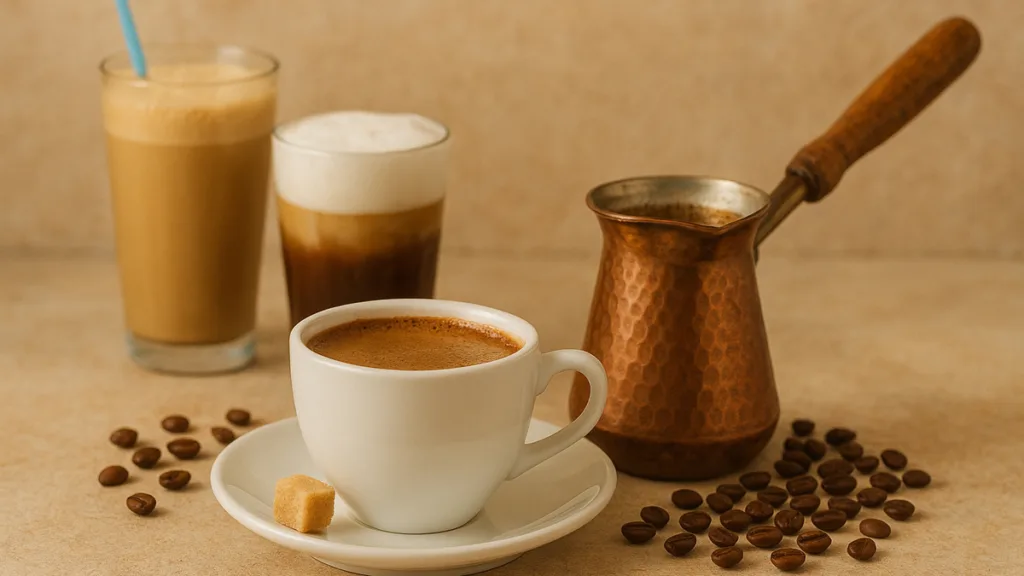
Ellinikós kafés (Greek coffee)Strong, unfiltered coffee boiled in a small pot (briki), served in a tiny cup with foam (kaimaki).Morning or after meals
FrappeInstant coffee shaken with cold water, sugar, and sometimes milk, topped with foam. A Greek invention from the 1950s.Summer, all day
Freddo EspressoDouble espresso shaken with ice until frothy.Summer, mornings
Freddo CappuccinoEspresso over ice, topped with thick cold milk foam.Summer, afternoons
Filter coffeeSimilar to American drip coffee, often served in larger mugs.Breakfast or office breaks

Making authentic Greek coffee at home is simple but requires attention:

  1. Measure water – Use the small demitasse cup to fill your briki.
  2. Add coffee and sugar – Typically one heaping teaspoon per cup, plus sugar if desired (sketos = no sugar, metrios = medium, glykos = sweet).
  3. Stir well before heating – This prevents clumps.
  4. Heat slowly – Place on low heat and do not stir again.
  5. Watch for the foam – Just before boiling, the foam (kaimaki) rises. Remove quickly.
  6. Serve carefully – Pour into the cup, grounds and all, and let it settle for a moment before drinking.

No discussion of coffee in Greece is complete without mentioning its cold classics.

  • Frappe: Invented in Thessaloniki in 1957, this instant-coffee drink became a national symbol. It’s cheap, easy, and endlessly customizable.
  • Freddo Espresso & Freddo Cappuccino: These modern favorites are made with espresso machines, catering to younger generations. They are smoother, richer, and have largely replaced the Frappe in trendy cafés.

“You can’t walk through Kavala’s promenade in summer without seeing nearly every table topped with a tall glass of Freddo.”

  • Traditional kafeneio – For the classic Greek coffee with locals playing backgammon.
  • Modern cafés – Perfect for Freddo and specialty espresso.
  • By the sea – Coffee with a view is part of the lifestyle in Kavala, Thessaloniki, or any island port.

Coffee in Greece is more than caffeine – it’s culture, identity, and community in a cup. From the traditional ellinikós to the refreshing freddo cappuccino, each style tells a story about the country’s past and present.

So next time you sit down in a Greek café, take your time. Sip slowly, enjoy the foam, watch the sea, and understand why for Greeks, coffee is never rushed.


Stay in a cozy apartment in Kavala

Cozy Houses One Apartment with Hydromassage tub and Terrace near city center (Karatasou 6, Kavala)

Prices start at: 71  per night (+taxes and fees)

Welcome to our cozy apartment, perfect for families or friends or digital nomads! This charming space features two comfortable bedrooms, one with a double bed and the other with a king-size bed, ensuring a restful night’s sleep for everyone.

Details

Ammolofoi Beach – The Best Sandy Beach Near Kavala

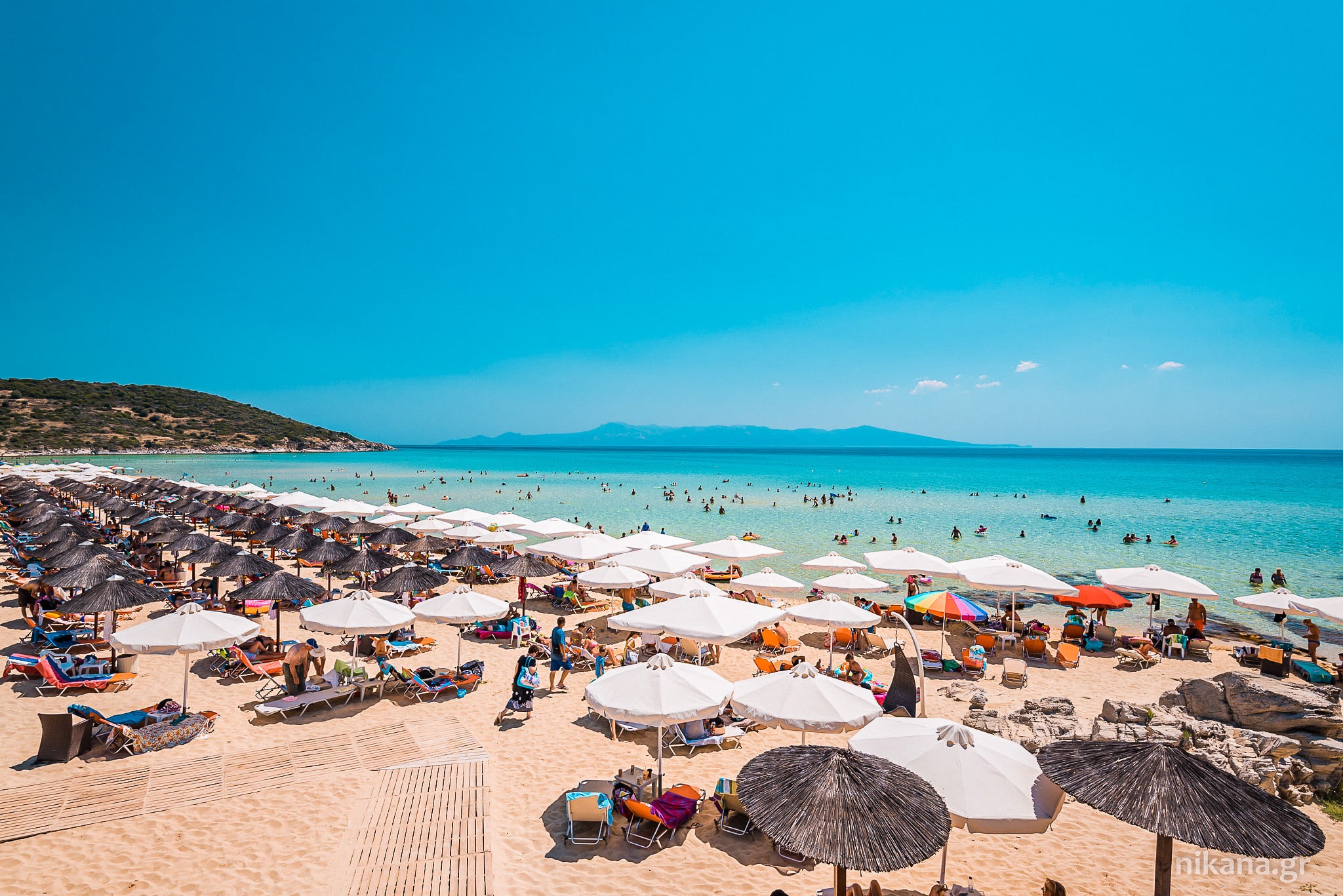
Ammolofoi Beach is an extensive sandy beach near Nea Peramos

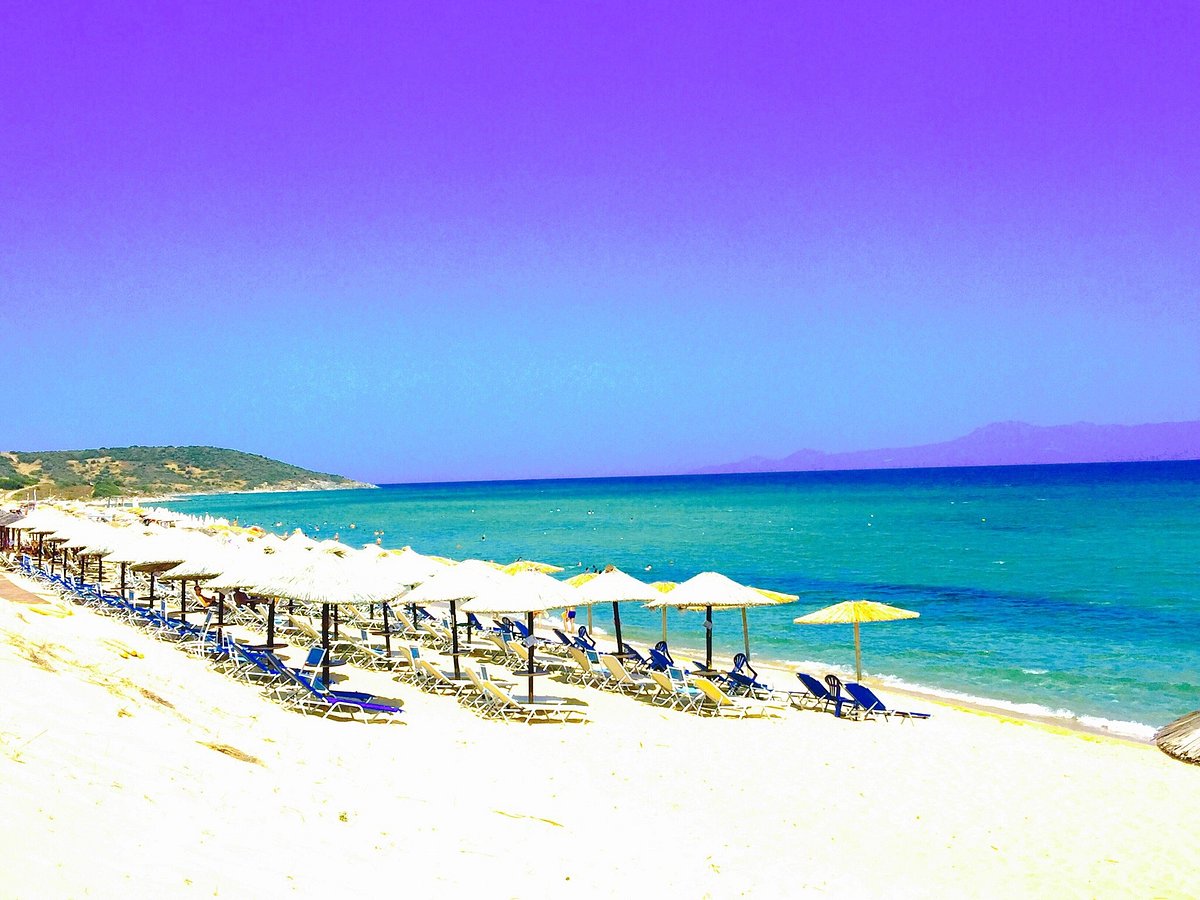
West of Kavala, in northern Greece. It is famous for its golden sand dunes, crystal clear waters and lively summer atmosphere that combines natural beauty with organized tourist infrastructure.

Basic information
Location: Nea Peramos, East Macedonia and Thrace

Beach length: approximately 3 km

Features: Fine sand, shallow waters, natural dunes

Popular activities: Swimming, water sports, beach bars

Peak season: June – September

photo5jpg 1
gphoto ChIJyVfW5VHIrhQRqwxXDprYnD8 0

The area takes its name from the natural sand dunes that form along the coast. The beach is distinguished by its shallow, clear waters of the Aegean Sea and its unobstructed view of the island of Thassos. Despite development, it largely retains its natural character, with areas protected from extensive construction.

Organization and tourism

The beach combines free and organized sections. Popular beach bars and cafes serve visitors with sun loungers, umbrellas and music, while quieter areas are ideal for relaxation or family outings. There are facilities for sports such as pedaloes and kayaks.

Access and local connections

Ammolofi Beach is approximately 17 km from the city of Kavala and is easily accessible by road via the Egnatia Motorway. Nearby accommodations and taverns in Nea Peramos and Nea Iraklitsa serve visitors. The area attracts both locals and tourists from the Balkans and Europe, making it one of the most popular summer destinations in Macedonia.

To check out accommodation offers in Kavala click HERE.

How to get to Ammolofoi Beach from Kavala

Stay in a cozy apartment in Kavala

Cozy Houses One Apartment with Hydromassage tub and Terrace near city center (Karatasou 6, Kavala)

Prices start at: 71  per night (+taxes and fees)

Welcome to our cozy apartment, perfect for families or friends or digital nomads! This charming space features two comfortable bedrooms, one with a double bed and the other with a king-size bed, ensuring a restful night’s sleep for everyone.

Details

Best Beaches in Kavala – Sun, Sand and Sea Guide

Map of the Best Beaches in Kavala

Top Beaches Near Kavala

Mpatis beach

Batis Beach

Organized beach near the city.

Ammolofoi beach

Ammolofoi Beach

One of the most famous beaches in Greece

kalamitsa beach

Kalamitsa Beach

Ideal for families.

castle of kavala 4

Port of Kavala

Nice place to walk or drink coffee or sit on a restaurant.

Stay in a cozy apartment in Kavala

Cozy Houses One Apartment with Hydromassage tub and Terrace near city center (Karatasou 6, Kavala)

Prices start at: 71  per night (+taxes and fees)

Welcome to our cozy apartment, perfect for families or friends or digital nomads! This charming space features two comfortable bedrooms, one with a double bed and the other with a king-size bed, ensuring a restful night’s sleep for everyone.

Details

Explore Thassos Island!

Boasting a spectacular natural setting, Thassos Greece is the northernmost island of the Aegean Sea and it lies close to the Greek mainland. Ideal for relaxing family holidays, the island is also popular among nature enthusiasts and those who enjoy visiting historic places.

Find out everything about your holidays in our travel guide! Discover the top hotels & restaurantslandmarks, fantastic beaches, as well as a wide selection of breathtaking photos!

There is airport available on the island but it is connected by ferry with the mainland ports of Kavala and Keramoti. To get there from Athens, you will have to fly to the airport of Kavala first and then get to the island by ferry.

Are you ready to discover Thassos?

Stay in a cozy apartment in Kavala

Cozy Houses One Apartment with Hydromassage tub and Terrace near city center (Karatasou 6, Kavala)

Prices start at: 71  per night (+taxes and fees)

Welcome to our cozy apartment, perfect for families or friends or digital nomads! This charming space features two comfortable bedrooms, one with a double bed and the other with a king-size bed, ensuring a restful night’s sleep for everyone.

Details

Port of Kavala – Ferry Port Guide & Accommodation Nearby

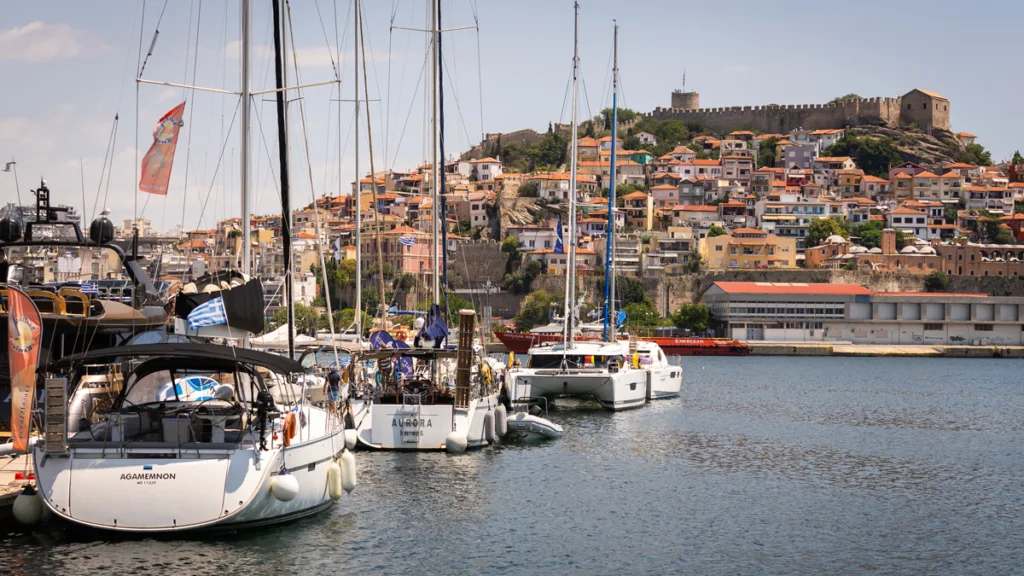
Welcome to the lively port city of Kavala! In this article, we’ll explore its fascinating history, contemporary attractions, and the reasons why it deserves a spot on your travel list. Whether you love history, enjoy good food, or seek new adventures, Kavala offers experiences for every kind of traveler.


Port of Kavala kaikia

The port of Kavala has a storied past that dates back to the late 7th century BC. Founded by the Thassians, it was a crucial hub for communication across the Aegean and Asia Minor. This port wasn’t just about trade; it was a conduit for cultural and spiritual exchanges, including the arrival of Apostle Paul in 49/50 AD, who brought Christianity to Europe.

In the 16th and 17th centuries, Kavala’s port played a pivotal role in the region’s economy, primarily through administrative control and the export of local agricultural products like wheat, cotton, and timber. The 18th century saw the establishment of consular posts by France and Venice, marking a period of significant prosperity.

port of kavala boats

Fast forward to the 20th century, the port underwent significant construction, culminating in 1950. Notably, the port “Apostolos Pavlos” served as the central point for maritime transport until 2002, when commercial activities were moved to the new port “Filippos B” in Nea Karvali.

Today, the central port is a bustling hub for:

  • Passenger Transport: Daily ferry routes to Thassos and regular routes to Limnos, Mytilene, Chios, and Samos.
  • Tourism: Cruise ships and pleasure yachts frequently dock here.
  • Fishing Fleet: Serving as a reserve.
  • Nautical Sports: Hosting various water sports activities.

port of kavala tourists boats

Located 8 km east of Kavala, the “Filippos B” port is a modern facility directly connected to the Egnatia Odos highway, part of the Transeuropean network. This port, with its extensive infrastructure, aims to be the main gateway to the East Balkans.

  • Key Features:
  • Platform Length: 910m
  • Depth: 12m
  • Space: 282,000m² for freight management and storage
  • Capacity: Can simultaneously serve two 190m ships and a Ro-Ro ship
 

castle of kavala fortess from harbor

The Kavala Port Authority (KPA SA) manages four key ports: the passenger/central port of Kavala “Apostolos Pavlos”, the commercial port of Kavala “Filippos B’”, the port of Keramoti, and the port/shelter of Eleftheres. This management is conducted under a concession agreement with the Greek State, ensuring efficient and strategic development of these maritime hubs.

In recent years, significant investments have been made to improve the infrastructure and services at these ports. The strategic vision includes making “Filippos B” a primary gateway to the eastern Balkans and enhancing the passenger experience at “Apostolos Pavlos”.

port 02 1024x576 1

The development of the city of Kavala necessitated the construction of the new port outside the city. According to studies conducted since 1966, the proposal for a modern port in Nea Karvali prevailed. Construction work for the port “Filippos Β’” began in 1990. Before the completion of extension projects, the commercial port had a platform of 400m length and 11.5m depth at the platform, with an overall space of 50,000m² for the management and storage of freights. The existing infrastructure can simultaneously serve two ships of 190m length and a Ro-Ro ship.

After the completion of the expansion works in March 2019, the commercial port boasts platforms of 910m length and 12m depth at the platforms, with an overall space of about 282,000m² for the management and storage of freights. The vision for the commercial port “Filippos B’” is to make it the main gateway towards the East Balkans, emphasizing the provision of value-added services.

harbor of kavala boats yacht

The port of Kavala has played a major role in the evolution and development of the city from ancient times to the present. It was built by the Thasians at the end of the 7th century BC and kept open the way to the Aegean and the coast of Asia Minor. Through this port, Apostle Paul arrived in Kavala and began spreading Christianity throughout Europe.

In the 16th century, the export trade of local agricultural products (wheat, cotton, etc.) began to flourish. Apart from that, the port also played a major role as a center for fishing and tobacco. Starting in 1920 and completed in 1950, several significant works were undertaken at the port, as well as the creation of the new coast of Kavala.

Today, the land area of the harbor is a focal point for recreational, commercial, business, and tourist activity. Since October 2002, the port has not been used commercially. Instead, the “Filippos B” port in Nea Karvali handles commercial activities.

Kavala is a destination that perfectly marries the past with the present. Whether you are there to explore its rich history, enjoy its modern port facilities, or simply relax by the sea, Kavala promises a memorable experience. Plan your visit today and discover the hidden gem of Greece!

Stay in a cozy apartment in Kavala

Cozy Houses One Apartment with Hydromassage tub and Terrace near city center (Karatasou 6, Kavala)

Prices start at: 71  per night (+taxes and fees)

Welcome to our cozy apartment, perfect for families or friends or digital nomads! This charming space features two comfortable bedrooms, one with a double bed and the other with a king-size bed, ensuring a restful night’s sleep for everyone.

Details

Panagia Old Town Kavala – History, Attractions and Travel Guide

How to Visit Old Town Panagia in Kavala

Highlights: Traditional houses, historic sites
Activities: Walking tours, local artisan shops

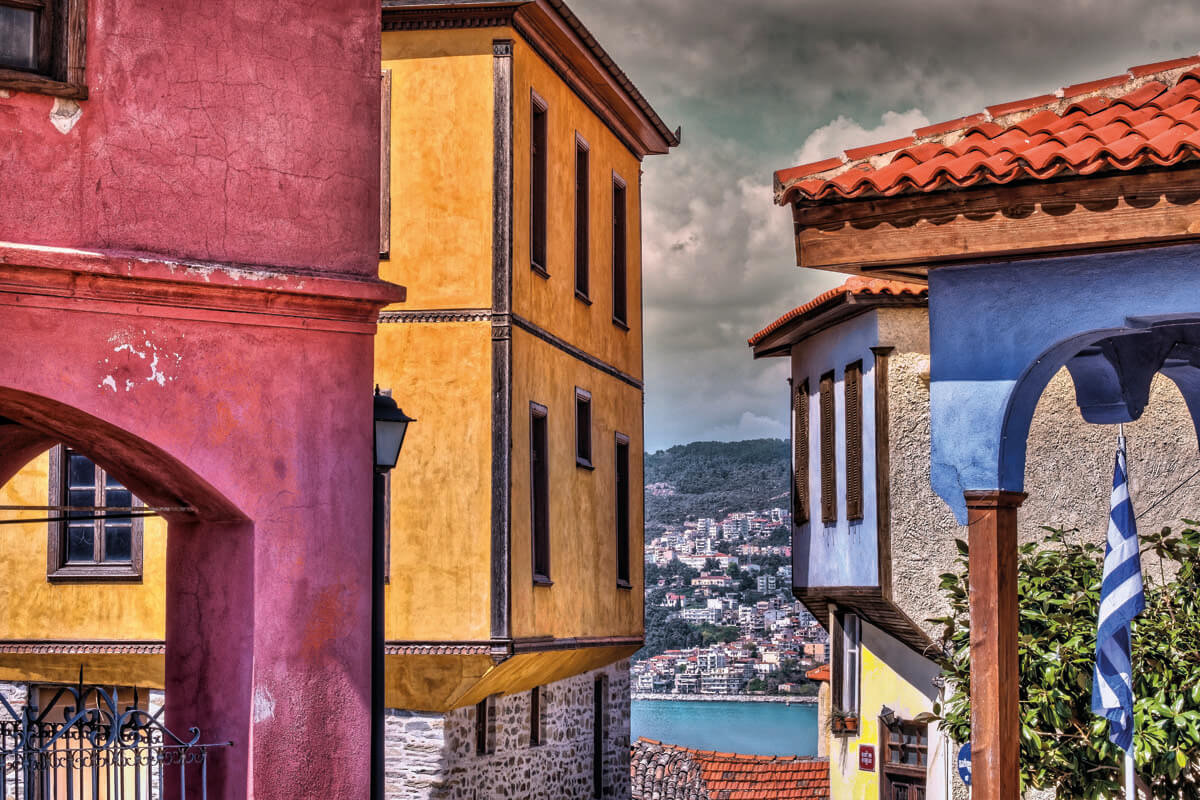
A stroll through the Old Town of Kavala, also known as the district of Panagia, is a journey through cobbled lanes, historic sites, and scenic views. Starting at Karaoli Square, you can walk up Theodorou Poulidou Street, pass the Imaret and Mohammed Ali’s courtyard, and reach the church of Panagia, the Lighthouse, and the Fortress, enjoying breathtaking views along the way. The Old Town is filled with houses featuring wooden balconies, fragrant gardens, and charming courtyards, blending natural beauty with traditional taverns and historical monuments. Key landmarks include the Imaret, built in the early 19th century by Mohammed Ali, now a luxury hotel and a classic example of Islamic architecture. Mohammed Ali’s house, an 18th-century Ottoman mansion, now houses a museum and the Mohammed Ali Research Center. The Holy Church of the Assumption of Holy Mary, built on the site of a 15th-century monastery, and the Lighthouse, offering panoramic views of Thassos and Mount Athos, are also highlights. The Fortress of Kavala, a significant historical monument, dominates the Old Town. Built in the 15th century, it features a central circular tower, ammunition and food stores, and accommodation for officers. Descending from the Fortress, you encounter the Kamares, a 16th-century aqueduct and one of Kavala’s most famous monuments, marking the border between the Old and New Town.

The Old Town, with its preserved architecture and historic sites like the house of Mohammed Ali and the Halil Bey Mosque, offers a rich cultural experience. Visitors can explore by foot, car, or the municipal mini-train, ensuring easy access to all its charming and historical attractions.

Stay in a cozy apartment in Kavala

Cozy Houses One Apartment with Hydromassage tub and Terrace near city center (Karatasou 6, Kavala)

Prices start at: 71  per night (+taxes and fees)

Welcome to our cozy apartment, perfect for families or friends or digital nomads! This charming space features two comfortable bedrooms, one with a double bed and the other with a king-size bed, ensuring a restful night’s sleep for everyone.

Details

Castle of Kavala: History, Views & Visiting Guide

Castle of Kavala: Explore the Historic Fortress of Kavala

Discover the fascinating past, remarkable architecture, and breathtaking views that make the Castle of Kavala one of the city’s most important landmarks, located right in the historic center.

Why You Should Visit Kavala Castle

History and Heritagecastle of kavala fortress walls

The Castle of Kavala, also known as the Acropolis of Kavala, is a historic fortress that has stood the test of time, bearing witness to the city’s dynamic past. Built in the early 15th century on the ruins of the Byzantine Acropolis of Christoupolis, the castle has undergone numerous modifications by Byzantines, Venetians, and Ottomans.

Key Historical Milestones

kavala castle tower greece

  • 5th Century BC: The original defensive walls of Kavala are constructed.
  • 361-363 AD: Roman Emperor Julian initiates extensive repairs.
  • 926 AD: Byzantine Emperor Basil Cladon further fortifies the structure.
  • 1307 AD: Major reconstruction during the reign of Andronicus II Palaeologus.
  • 1391 AD: Byzantine castle destroyed by the Turks.
  • 1425 AD: Rebuilt by the Ottomans, forming the structure we see today.

Architectural Marvels

kavala castle panoramic view

The castle’s architecture is a blend of local granite, marble, and bricks, creating a robust and visually stunning structure. The defensive walls encompass an area of 13 hectares, reinforced by both round and square towers, bastions, and a 449-meter-long transverse wall.

Notable Features:

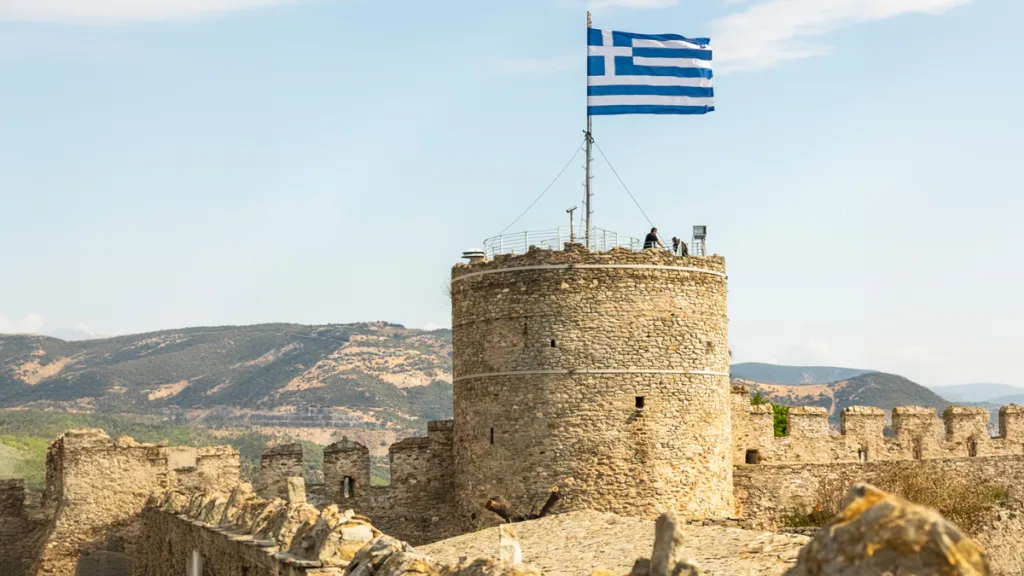
  • Central Circular Tower: Offers panoramic views of Kavala.
  • Arsenal and Food Storage: Converted to a prison in the 18th century.
  • Guardhouse: Served as quarters for guards and officers.
  • Cistern: Essential for water storage within the fortress.
  • Open Air Theatre: Hosts music events and theatrical performances.

Visiting the Fortress

historic castle of kavala

A visit to the Castle of Kavala is a journey through history. As you wander through the old town’s narrow streets, you’ll find yourself climbing to the top of the Panagia peninsula, where the castle stands majestically.

Points of Interest:

  • Interactive Displays: Digital touch screens provide a historical overview.
  • Views from the Tower: Stunning vistas of Kavala and the surrounding area.
  • Cafeteria: Relax with a beverage while enjoying views of the theatre.

Practical Information

kavala castle tower greece

The Castle of Kavala is accessible year-round, with varying opening hours:

  • May to September: 08:00 – 21:00
  • October: 08:00 – 18:00
  • November to March: 08:00 – 16:00
  • April: 08:00 – 20:00

Why Visit the Castle of Kavala?

  • Historical Significance: Immerse yourself in the rich history spanning several centuries.
  • Architectural Beauty: Admire the blend of Byzantine, Venetian, and Ottoman influences.
  • Cultural Events: Enjoy various cultural events in the open-air theatre.
  • Scenic Views: Capture breathtaking views of the city and the sea.

Conclusion

kavala castle panoramic view

The Castle of Kavala is more than just a historic site; it is a testament to the city’s enduring spirit and strategic importance through the ages. Whether you are a history buff, architecture enthusiast, or simply looking for a unique travel experience, the Castle of Kavala promises a visit filled with discovery and wonder.

For more information, you can visit the official Website.

By following these insights and tips, your visit to the Castle of Kavala will be an unforgettable journey through the annals of history, right in the heart of this enchanting Greek city.

Stay in a cozy apartment in Kavala

Cozy Houses One Apartment with Hydromassage tub and Terrace near city center (Karatasou 6, Kavala)

Prices start at: 71  per night (+taxes and fees)

Welcome to our cozy apartment, perfect for families or friends or digital nomads! This charming space features two comfortable bedrooms, one with a double bed and the other with a king-size bed, ensuring a restful night’s sleep for everyone.

Details